An Article published in the Little Milton Newsletter, October 1979
18th and 19th Century developments in Little Milton
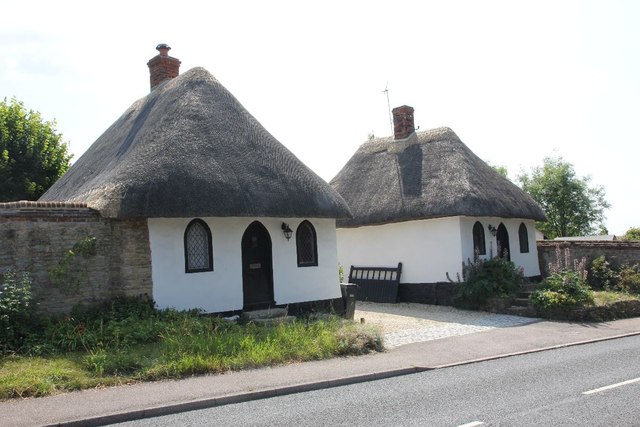
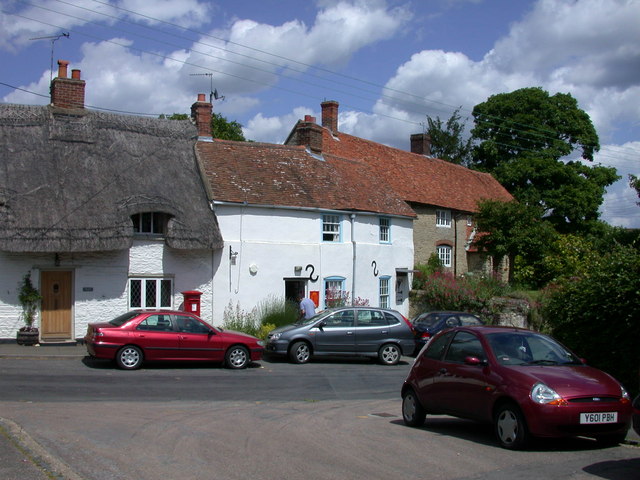
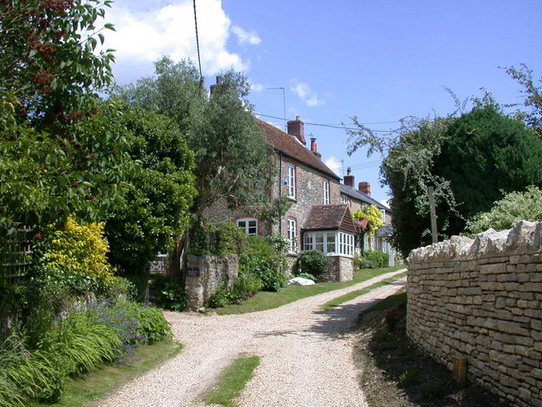
There is much that can be said about the buildings in Little Milton and we are very fortunate to have so many that are 18th century and older in the village. These buildings stand as a monument to two periods of great prosperity in the village’s history, while the lack of 19th century housing is a witness to times of poverty, unemployment and social upheaval that threatened the village’s very survival.
The
Civil War in the 1640’s, and particularly the nearby battle of Chalgrove
Field, left great destruction and loss of life in the villages and hamlets of
Oxfordshire. It was to be many years before any new houses were to be built in
Little Milton. The first new house to be built was probably that of Well’s
Farm Cottage around 1691. There followed in the next 100 years one of. the most
rapid periods of growth in the village’s history. Exactly how many houses were
built in this period is difficult to say, but there are at least 30 buildings
dating about this period in and around the village. It is easy to recognise the
earlier 18th century buildings by the lack of brick work around the frames and
corners, the Lamb and the Post Office being examples. Brick, which was only used
around window and door frames, corners and chimneys arrived much latter and can
be seen in many houses in the village.
The
High Street has always been an active business area, since this area formed part
of the main route between the old market towns of Wallingford and Thame. There
existed well before the 18 century another road which passed through the
village. This road came from Watlington along the Haseley Road, through the
village and over the fields of Belchers Farm to cross the river below
Chippinghurst Manor. This road was once an important traffic route to Oxford.
but appears to have lost its importance in the late l8th century. At the
intersection of these two streets in the village there apparently stood a
mediaeval cross which remained on the area still called ‘the Cross’ until
the 19th century when for some reason it was removed.
The
19th century brought great change to the village and landscape Little Milton.
Many of these changes were the direct result of the enclosures that took place
in the 1830’s and earlier. With
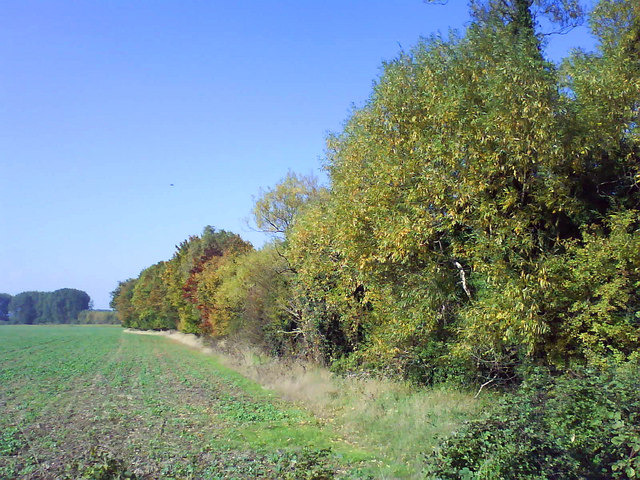
the enclosures came the once familiar hedge and tree rows, a scene that is all
too quickly disappearing. The loss of small farms upon which families toiled to
make a living led to a slow, migration of young men and women to the cities and
elsewhere in search of work. A small group village migrated to Canada. So
desperate was the poverty and unemployment in the village, that in 1835 the
Vestry Council that sat in Great Milton spent over £573, almost half the money
collected from the Poor Tax on relief to Little Milton. The suspicion of any new
machinery that might result in losses in work often brought about resentment and
on one occasion violence. In 1830 a group of rioters from Drayton, Chiselhampton
and Stadhampton assaulted a Mr James Wells and smashed his threshing machine.
Naturally the village was unsympathetic to the riots that followed calling upon
136 parishioners as special constables to arrest 6 offenders. Their sentence was
7 years transportation, the likely destination being Australia.
The
enclosures also had the effect of changing many of the cottages in the village.
Accommodation for farm labourers became so desperate that many of the cottages
were converted into smaller dwellings. The three cottages on the Cross contained
no less than seven families in what must have been cramped and squalid
conditions. Some farm workers had no accommodation at all and took to sleeping
in the lofts of barns. During the 19th century, few new buildings were built in
the village and most of these
Despite
the tremendous poverty in the village in the 19th century, several remarkable
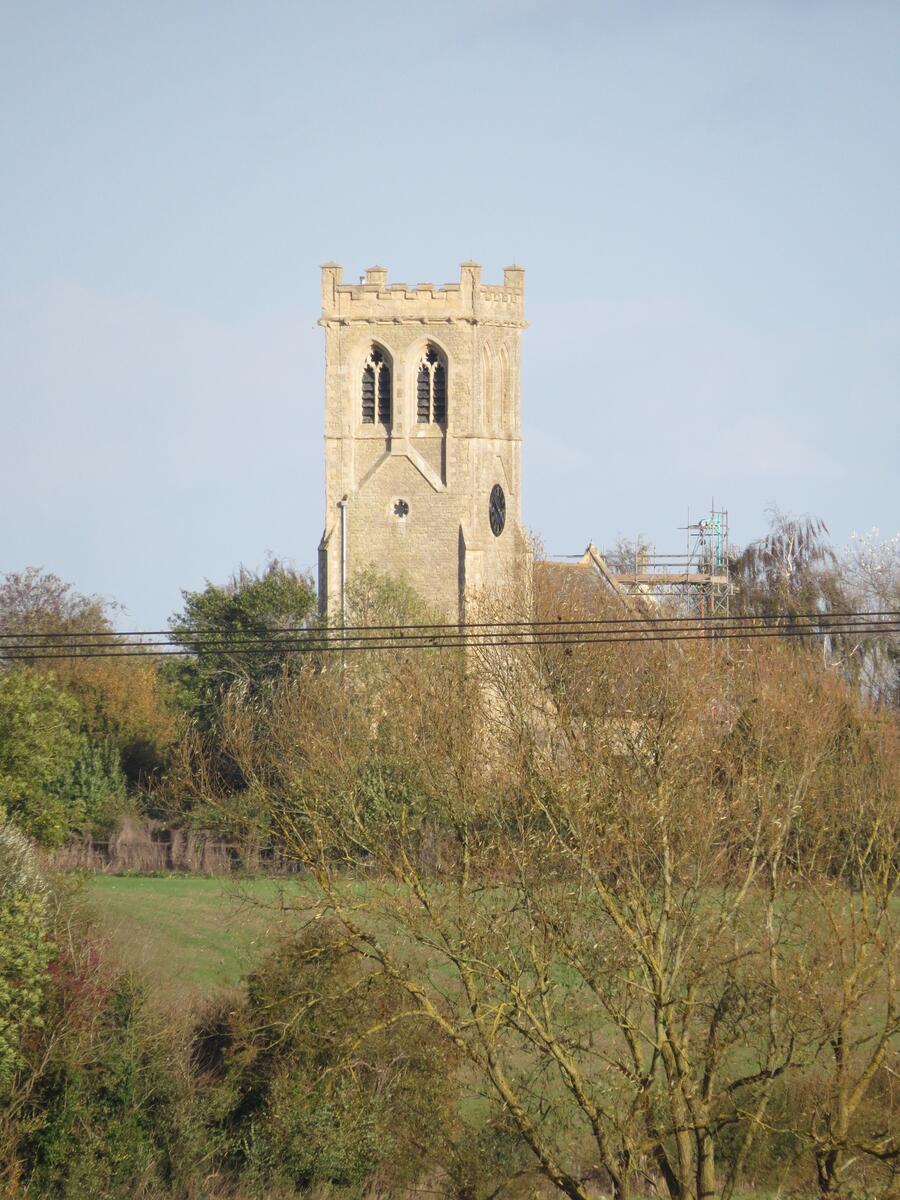
buildings were constructed, the best known of these being St James Church The
present church is the second be called by that name, the first St James was a
mediaeval chapel (probably constructed of, wood), which appears to have
disappeared some time before 1780. Little is known of its location but it may
have been attached to the manor or in a place called ‘Chapel Heys’. In 1844
the present church was built on land given by Walter Long, Lord of Great Milton
Manor. It was designed by an Exeter Architect, John Hayward and built by George
Watt of Oxford at a cost of £2,700. The church was constructed in two stages,
the Naive in 1844, while the tower, spirelets (now removed) and clock were added
in 1861. In 1845 the adjacent Old Vicarage was built in a curious mixture of
Cotswold style. The attached turret is unusual, but certainly this .is one of
the finest buildings of its kind built in this area of Oxfordshire last century.
Little
Milton’s first school began as a Sunday School in 1818, however for reasons
unknown it closed within a few years A second school was started by the
Methodist church in 1827 in a house in the village. In 1831, this was shifted
to a new Methodist chapel sited somewhere on the Milton Manor estate. Numbers by
this date had already reached 60. By 1854 the village had three day schools, one
school being for infants, the others for scholars. The demand for education for
all ages became so great that evening classes were started for adults for
reading and writing. The need for a school building soon became apparent so that
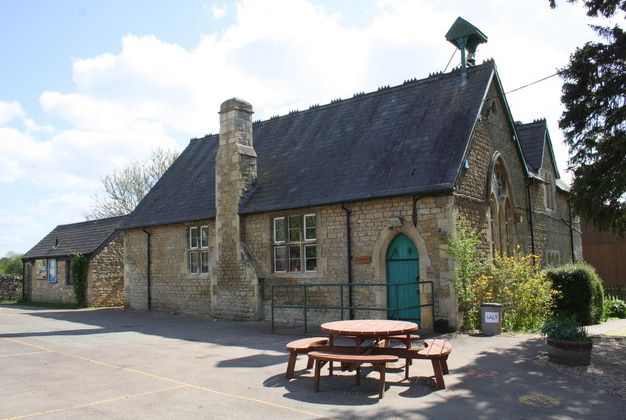
in 1861 the present school was built. This was later extended to include a head
teacher’s residence in 1893.
Perhaps
the last building of any interest to be built in the 19th century was Wesleyan
chapel at the Cross, it is not a spectacular piece of architecture as the style
is repeated in a number of villages in Oxfordshire; however, it is an important
symbol to the non-conformity of this village in its past history of belief and
ideals.
Much
has changed in Little Milton this century, but there remains in many of the
buildings of this village, traces of history that tell of life long struggles of
men and women who built the village we enjoy today. Buildings are sometimes the
only history we have of many places, yet contained within this village is
perhaps the most fascinating history of all, the living history of experiences
and records of those people who have lived here all their lives. It is that
history that many of us I am sure, would be interested to know more about
before the older generation in Little Milton moves on.